|
|
| home | exhibitions | interviews | features | profiles | webprojects | archive |
|
A Visit to Pont-Aven Rupert White
In the spring of 2026 we had a week staying near the megalithic 'alignements' of Carnac, in Brittany. Whilst there we also went to Pont-Aven - an art colony visited by generations of artists, including many from Cornwall, such as Elizabeth Stanhope Forbes, Edwin Harris, Adrian and Marianne Stokes and Matthew Smith. Having driven for about an hour, we parked outside the town, approaching it on foot via the dappled sunlight of the 'Bois D’Amour'. The path, which follows the sparkling river Aven as it carves its way through the valley, is lined with beech trees and enormous boulders. Though undoubtedly picturesque, the woods were not the primary interest of the artists that worked here in the late 1800s. Most were figurative painters who, working 'en plein air', depicted the ordinary people – the ‘peasants’ – of the area. In this sense they anticipated the concerns of the artists that transferred from Brittany to Newlyn a decade or so later.
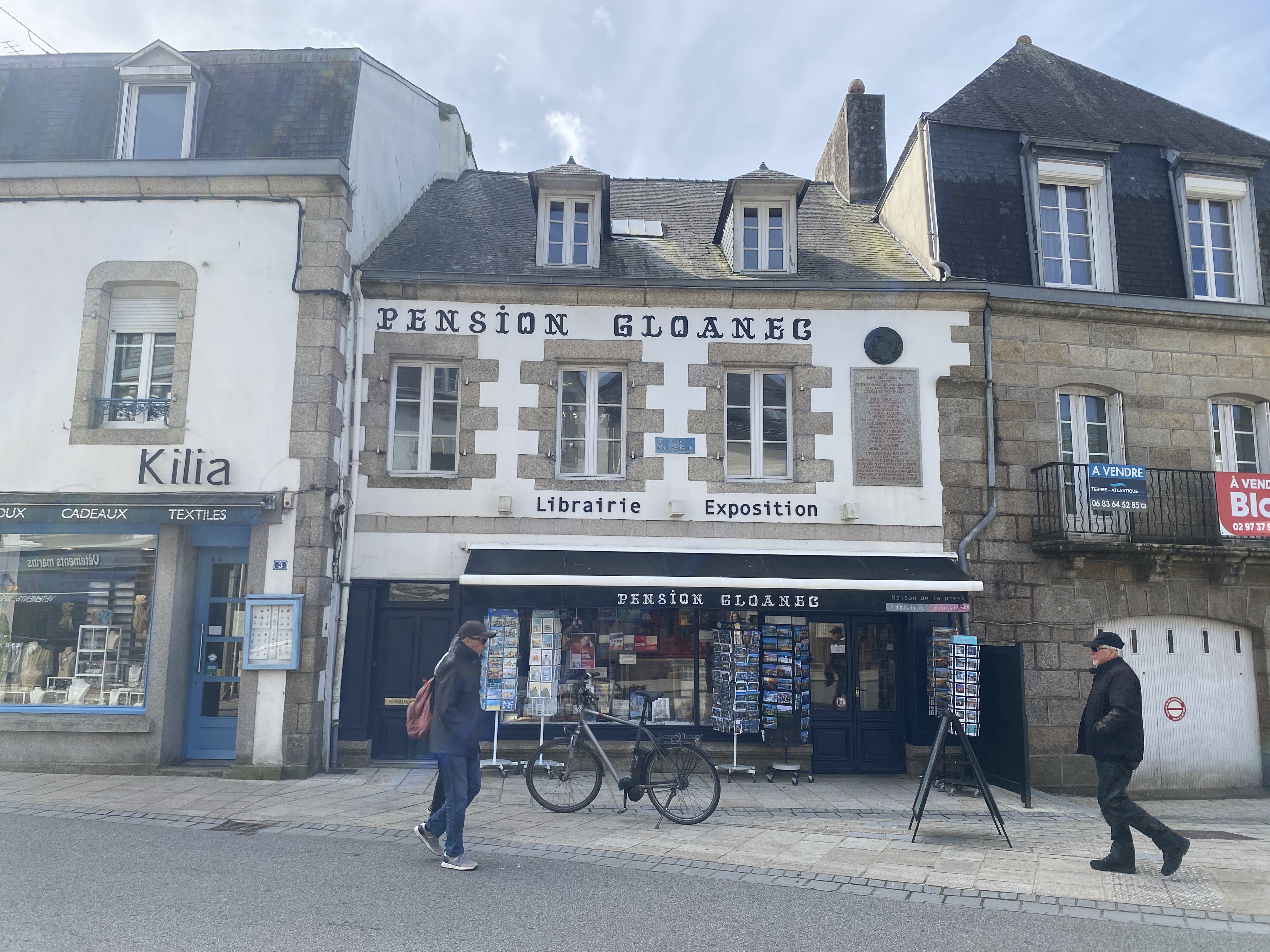
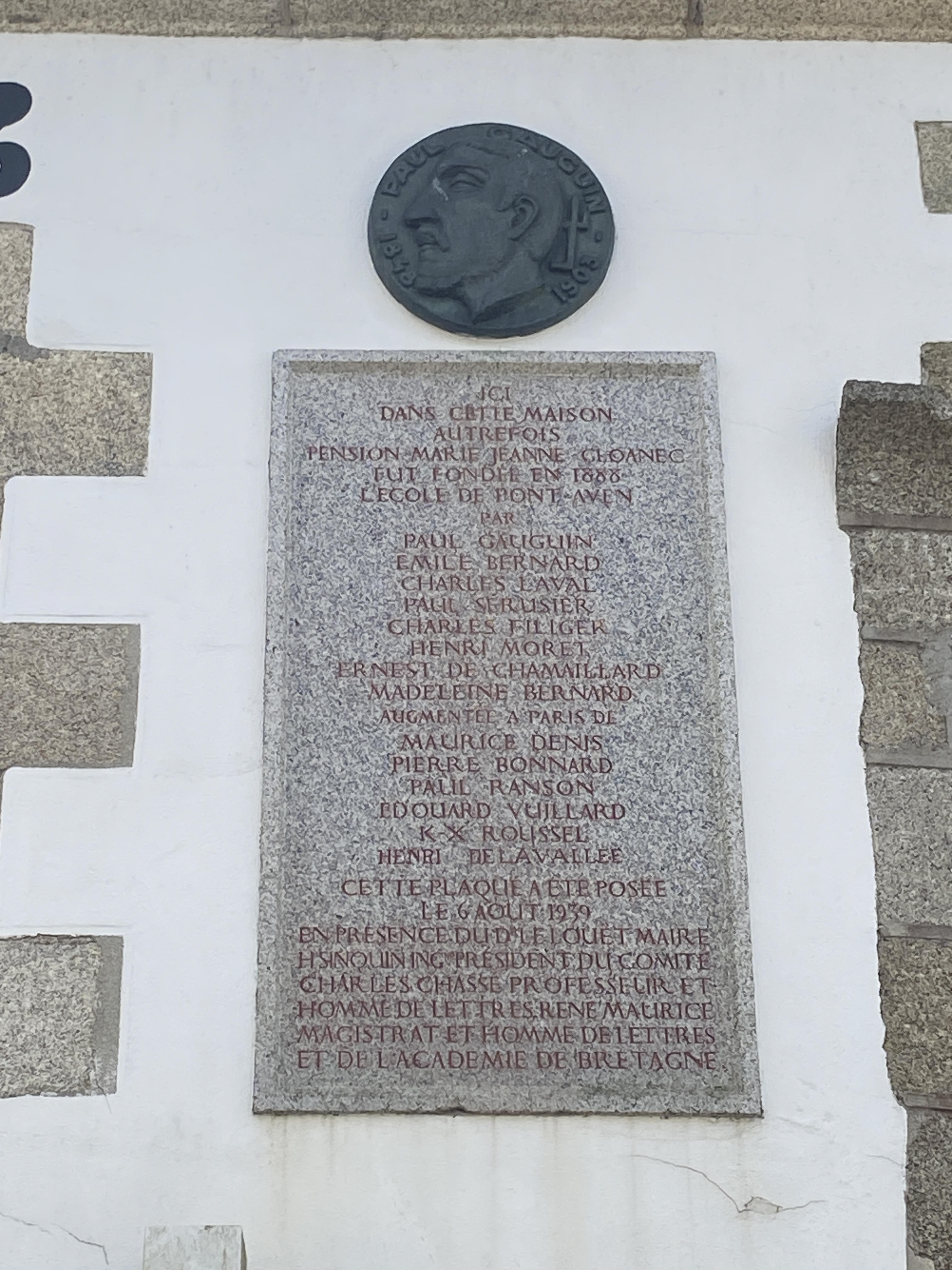
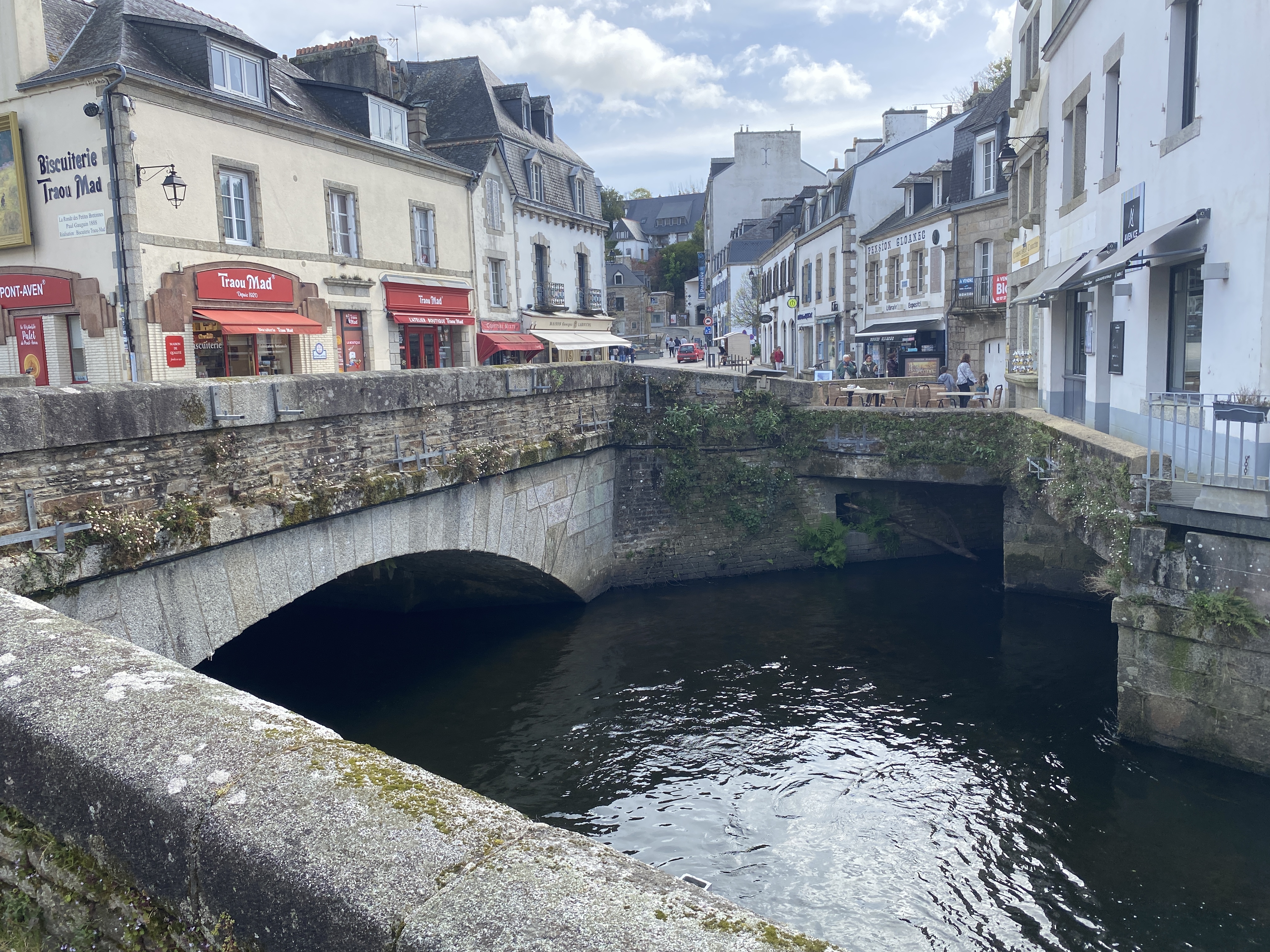
The Pont-Aven artists, many of whom were American, started arriving in the 1860s, and tended to stay in the centre of the town in hotels and boarding houses near the bridge. 'Pension Gloanec' which was Gauguin’s favourite hostel in the 1880s is now a bookshop but on its external wall is a plaque commemorating the founding of the ‘L’Ecole De Pont Aven’ in 1888, and artists like Emile Bernard, Maurice Denis, Pierre Bonnard and Edouard Vuillard as well as Gauguin (pictures above). Pont-Aven is quite a large town, comparable in size to St Ives, and like St Ives it only became a colony after the railway made it accessible, but otherwise it is very different to the coastal towns that became colonies in Cornwall. Because of its wide, elegant river and inland location it is perhaps more evocative of the Cotswolds, or South Devon. Of course St Ives is a popular tourist destination because of its beaches: the art ultimately comes second. However Pont-Aven is almost entirely reliant on its legacy as an art colony. Not surprisingly, it now has numerous galleries mostly selling tacky, derivative contemporary art. They line the road into the town, but at this time of year, at least, no one seems to be tempted by what they have to offer.
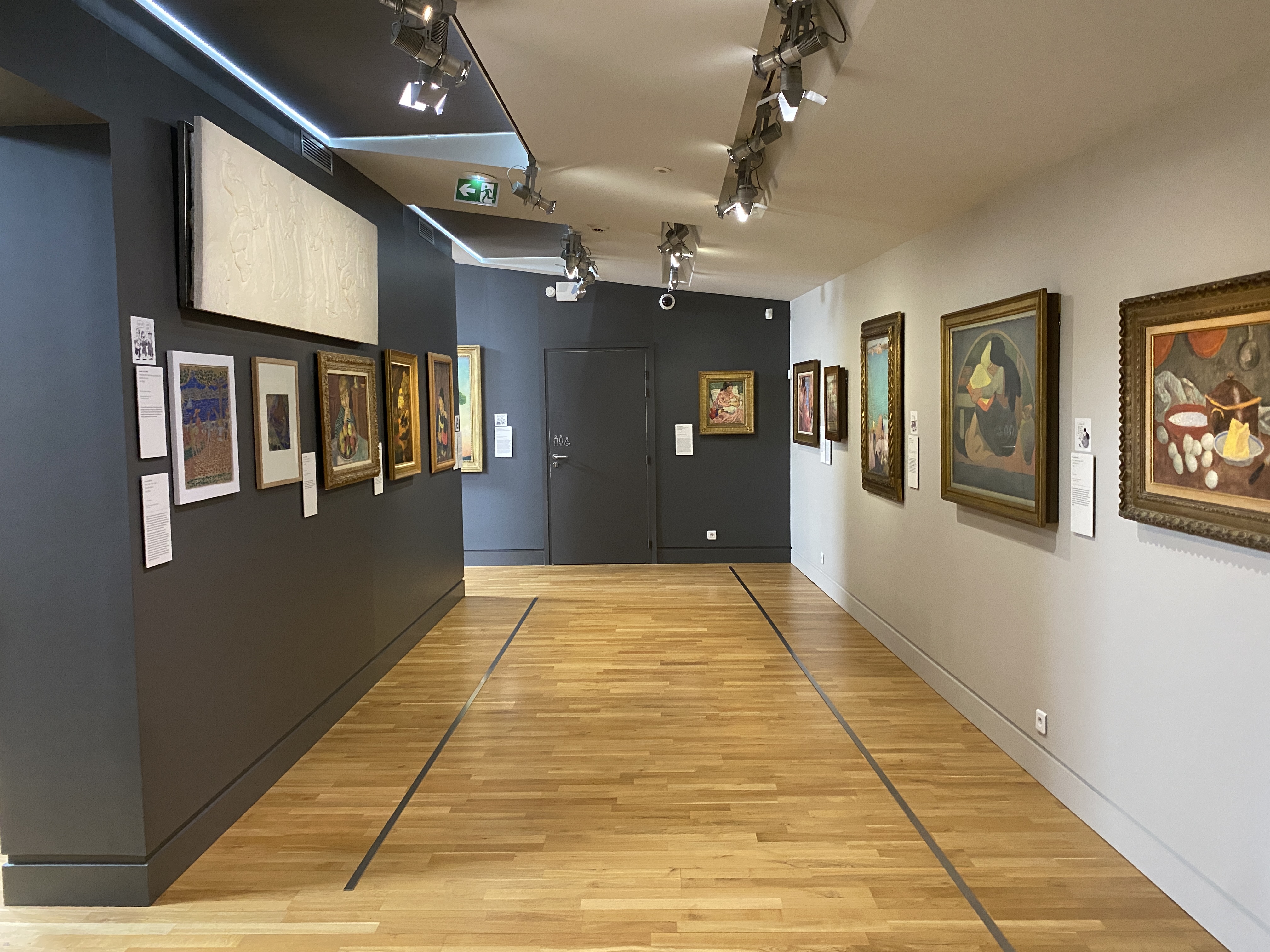
The museum (picture above) was created in 1985 in a building that was once 'L'Hôtel Julia', where many artists stayed. The main exhibition space is on the top floor, but it is much better than the private galleries, and full of the lesser known Pont-Aven artists. After having a coffee and buying some Gateau Breton, a shortbread-like butter-based delicacy, we headed up the hill and into the countryside to 'La Chapelle de Tremalo', which was a popular subject for many 19th century artist-visitors.
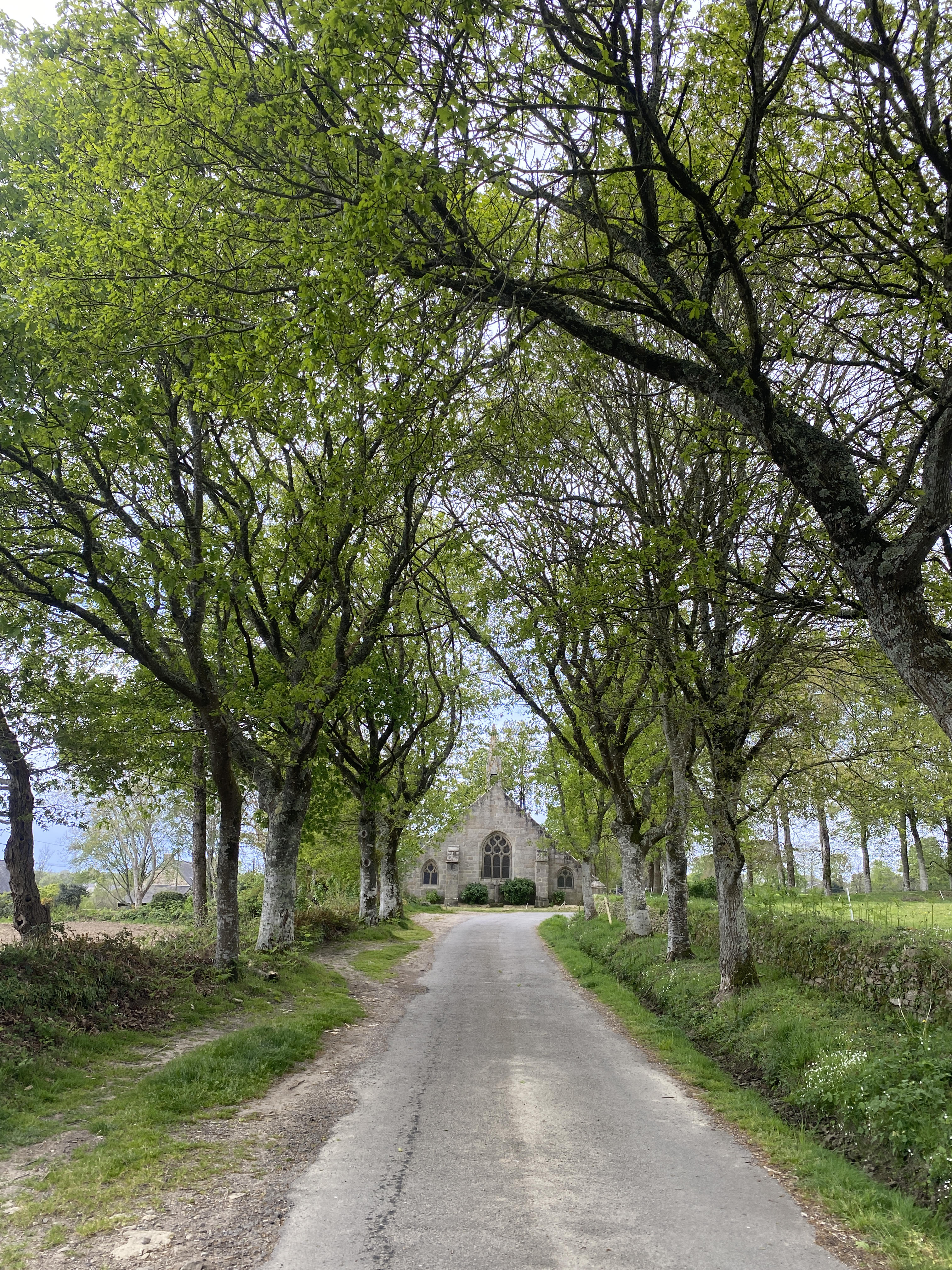
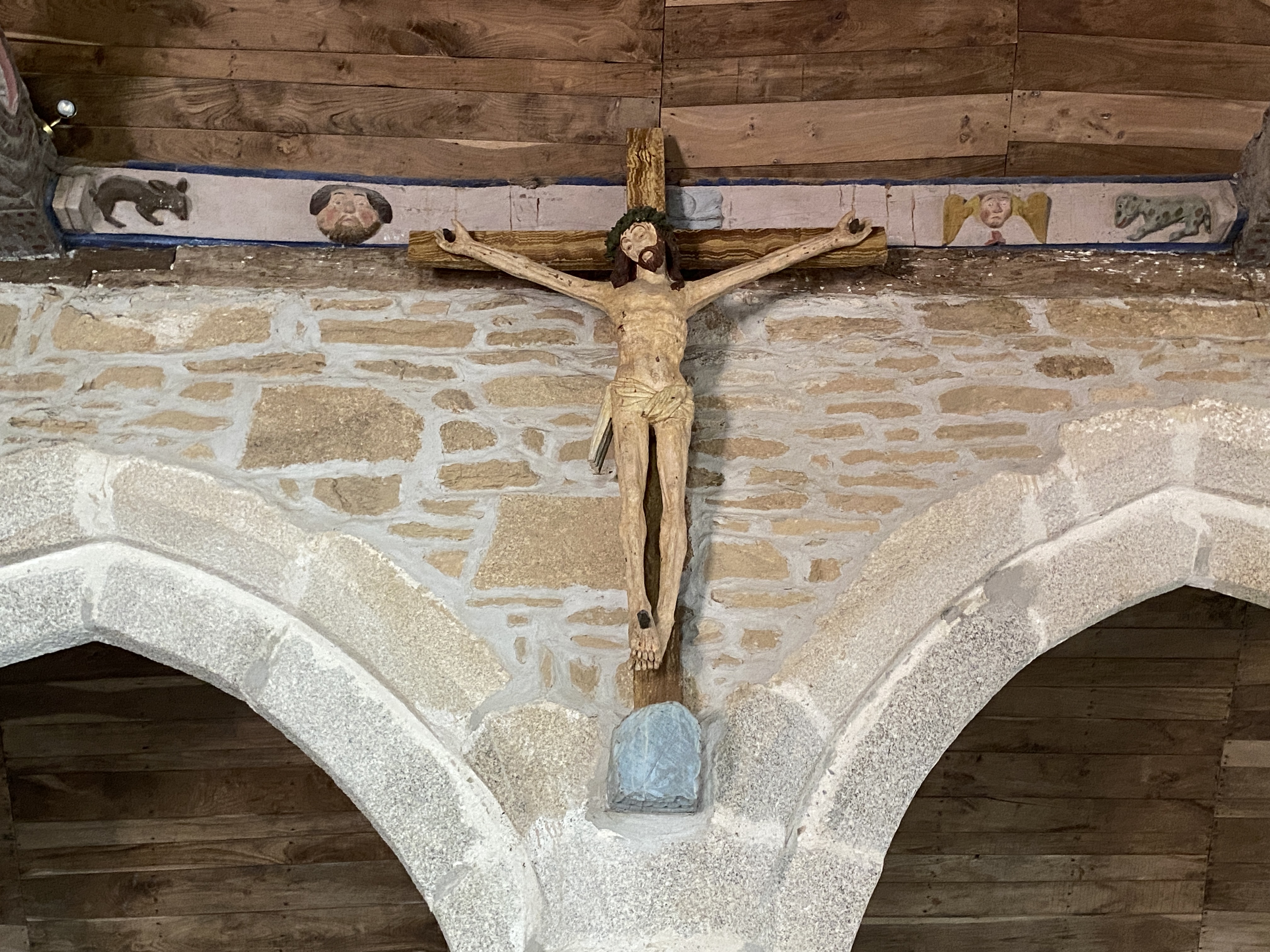
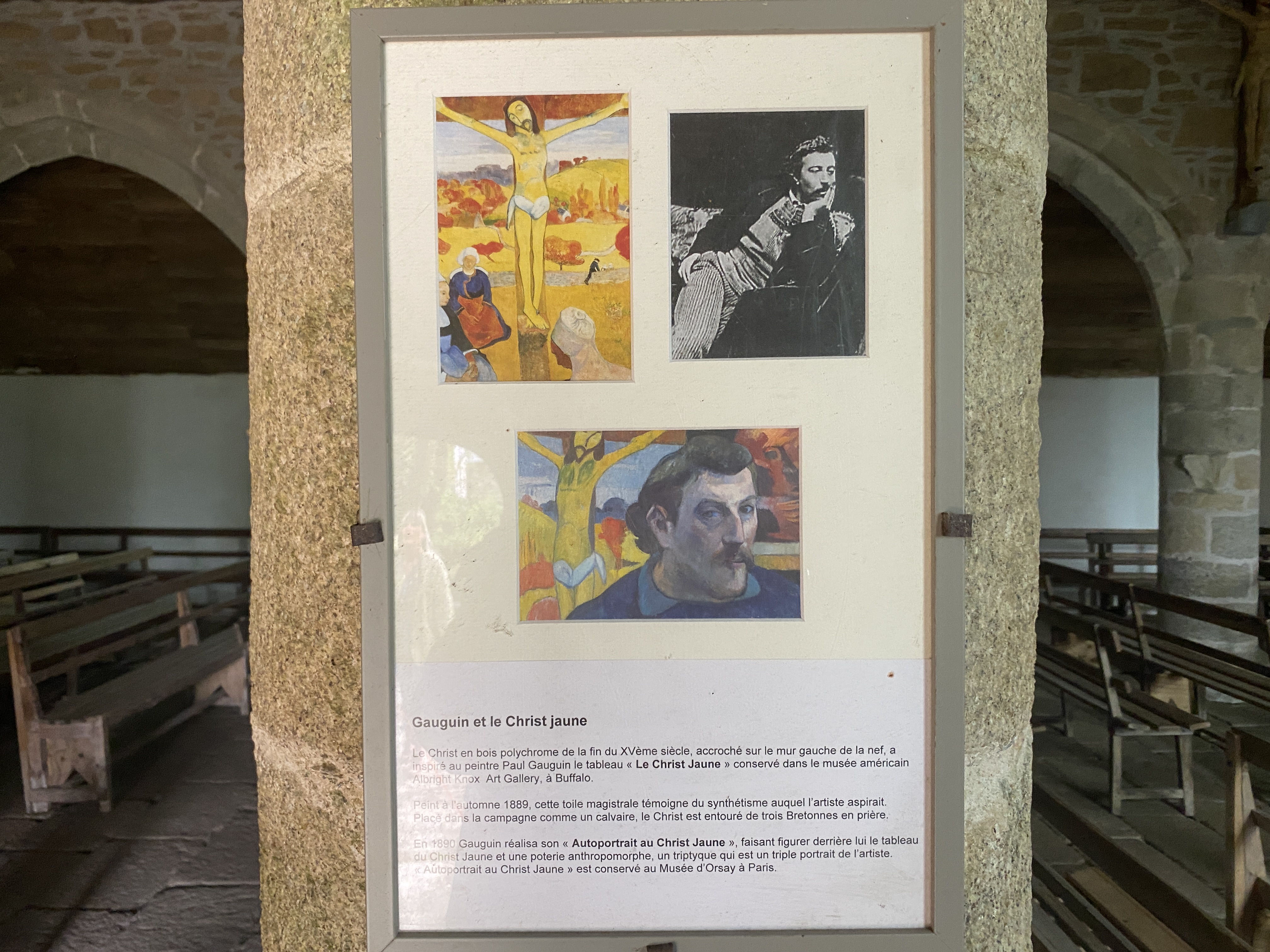
At the end of a corridor of rustling beech trees, the ancient stones of the chapel radiate peace and tranquility. Inside, light spills through the windows, catching dust, and there, high in the rafters, is the curiously carved 'Christ on the Cross', which inspired Gauguin's gut-wrenching: 'Yellow Christ' (pictures above). The wall plates behind the Christ sculpture are decorated with a menagerie of grotesque carvings (or 'les sablières'). There is a rabbit riding on the back of a dog, and there are several dragons and pink-painted green men. These colourful, folksy decorations are thought to date from 1550, but are executed in a way that evokes a much earlier medieval era.
23.4.26 @rwhite1000 |
|
|